
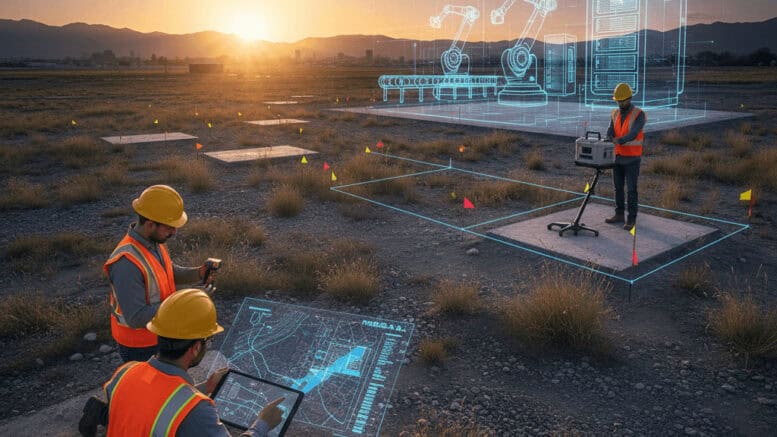
I have learned that evaluating property for machine placement is a crucial step for any business owner. This holds true whether you are planning to install a large industrial machine or simply a small vending unit. Many people overlook the complexities involved in finding the right spot. They think any vacant space will do the job. This approach often leads to poor performance and unnecessary costs down the road.
From my experience, a successful machine placement depends heavily on a thorough assessment of the property. You need to consider many factors beyond just the physical footprint of your equipment. Ignoring these details can result in operational headaches, reduced profitability, and even legal issues. I have seen firsthand how a well-chosen location can make all the difference.
This article will guide you through the essential steps I use for evaluating property for machine placement. We will cover everything from understanding your machine’s specific needs to navigating legal requirements and ensuring financial viability. My aim is to help you make informed decisions that lead to long-term success for your machine-based venture.
Understanding Your Machine’s Specific Needs
Before you even start looking at properties, you need a clear understanding of what your machine requires. Different types of machines have vastly different needs. A simple candy dispenser has far fewer demands than an automated teller machine or a complex manufacturing robot. I always begin by making a detailed list of these requirements. This helps narrow down potential properties quickly.
Consider the machine’s physical dimensions. Think about its height, width, and depth. Also, remember to account for any doors or panels that need to open for maintenance or operation. You do not want a machine that is too cramped or impossible to service. A thorough needs assessment at this stage helps prevent costly mistakes later.
You should also think about the interaction people will have with the machine. Will customers be using it directly, so requiring ample space around it? Or is it an industrial machine for staff only? These details impact the ideal property layout.
Assessing Power and Utility Requirements
Every machine needs power. This seems obvious but the specifics often cause problems. I always check the exact voltage and amperage requirements for each machine. Some equipment needs a dedicated circuit. Other machines may require specific outlets or power converters. It is important to confirm the property can provide this necessary electrical supply without overloading its system.
Beyond electricity, think about other utilities. Does your machine need water access for cooling or cleaning? Will it generate waste that needs drainage? Many modern machines also rely on a stable internet connection for remote monitoring, payment processing, or software updates. I make sure to verify if these utilities are readily available and sufficient at the potential site. You want to avoid expensive utility upgrades if possible.
Space and Environmental Considerations
The actual footprint of your machine is just the beginning. I also consider the necessary clearance for people to use it comfortably and safely. Maintenance access is another critical aspect. Can a technician easily reach all sides of the machine for repairs and routine servicing? If the machine needs to be refilled, is there enough space for stock and the person doing the work?
Environmental factors are also important. Does the machine operate best at a certain temperature range? Some electronics are sensitive to extreme heat or cold. Humidity can affect certain components or products. Consider if the space needs special ventilation or climate control systems. These environmental details are often crucial for the longevity and efficient operation of the machine.
Location, Foot Traffic, and Accessibility
For most machines, especially those that serve customers directly, location is everything. I have learned that even the most innovative machine will fail if it is placed in the wrong spot. High foot traffic areas are often ideal for vending machines, ATMs, or self-service kiosks. More people passing by means more potential customers. You have to think about who your target audience is and where they spend their time.
Visibility is another critical element. Is the machine easily seen by passersby? People are more likely to use a machine they notice. Easy access for customers also matters. They should be able to approach and use the machine without obstacles. Think about the flow of people and how they will interact with the machine in that specific environment.
When I am researching a new vending machine location, I consider more than just the number of people. I also think about the type of people and their potential needs. A busy office building will have different demands than a shopping mall or a school.
Analyzing Foot Traffic Patterns
To truly understand a location’s potential, I analyze its foot traffic patterns. This means observing the area at different times of the day and on various days of the week. How busy is it during morning rush hour compared to midday or evening? Do weekends bring a different crowd? I look for consistent traffic that aligns with the machine’s operating hours and target users.
The surrounding businesses and facilities also play a big role. Is the property near other attractions like offices, schools, gyms, or public transport hubs? These can act as magnets, drawing in the very people who might use your machine. A well-chosen spot benefits from the natural flow of human activity. It is about placing your machine where it makes sense for people.
Ensuring Easy Access for Servicing
It is not just about customer access. I also consider how easy it will be for me or my team to service the machine. Can delivery trucks easily reach the site for restocking? Is there a convenient loading zone or parking nearby? Getting products to and from the machine should be a smooth process.
Think about maintenance technicians. Can they get their tools and replacement parts to the machine without difficulty? If the machine requires heavy lifting, is there space for equipment like hand trucks or even small forklifts? Easy servicing minimizes operational downtime. It also keeps labor costs down. I believe that ignoring this aspect often leads to frustration and inefficiencies.
Site Safety and Security Protocols
Placing a machine means you are also placing an asset. Protecting that asset is a key concern. I always evaluate the safety and security of a potential property. This includes protecting the machine from theft and vandalism. It also means ensuring the safety of anyone using or servicing the machine.
Good lighting around the machine is a basic but important security feature. Surveillance cameras, both visible and discreet, can act as strong deterrents. I also look at whether there is existing security personnel or regular foot patrols in the area. A secure environment protects your investment and provides peace of mind.
Evaluating Area Crime Rates
Before committing to any property, I research the local crime rates. I check publicly available statistics for the specific neighborhood. I pay attention to incidents of property crime, such as theft and vandalism. A higher crime rate indicates a greater risk to your machine. It might require more extensive security measures or even make the location unsuitable.
My goal is to find a safe environment for both the machine and its users. If customers feel unsafe, they will avoid the machine. This directly impacts your revenue. A safe location builds trust and encourages repeat business. I believe that safety should never be compromised.
Implementing Physical and Digital Security Measures
Once I have evaluated the property, I plan specific security measures. Physical deterrents include sturdy locks on access panels and secure anchoring of the machine. Alarm systems can provide an immediate alert if the machine is tampered with. Installing clear signage indicating surveillance can also deter potential criminals.
For machines with digital components, cybersecurity is also important. I ensure that payment systems are encrypted and that any remote access is protected with strong passwords and two-factor authentication. Regular software updates are crucial to patch security vulnerabilities. These layered security measures help to safeguard your investment from various threats.
Legal and Regulatory Compliance
Navigating the legal landscape is a critical part of evaluating property for machine placement. Many business owners overlook this step, but it can lead to significant penalties. Different regions have different rules. I always make sure to understand all applicable zoning laws, permits, and local ordinances before installation.
Health and safety regulations are also important, especially for machines dispensing food or beverages. You must ensure your operation complies with these standards. Additionally, accessibility for people with disabilities is a legal requirement in many places. You need to ensure your machine and its surrounding area are compliant.
Navigating Local Zoning and Permits
Every city and county has its own zoning laws. These dictate what type of businesses and equipment can operate in certain areas. I always check with the local planning department to ensure my machine placement is allowed. You might need specific permits for installation or operation. It is important to secure these permits before setting up your machine.
Some areas might have restrictions on noise levels, operating hours, or even the appearance of machines. Ignoring these rules can lead to fines, forced removal of your machine, or even legal action. I find it is always better to do your homework upfront. This prevents unexpected issues and costly delays later on.
Understanding Health and Safety Standards
For machines that dispense consumables like food or drinks, health and safety standards are paramount. I ensure that my machines meet all food safety regulations, including proper temperature control and hygiene. Regular cleaning and maintenance schedules are also vital for compliance. These standards protect consumers. They also protect your business from potential liability.
Electrical safety is another key area. I ensure all wiring and connections meet local electrical codes. Fire safety regulations, including proper clearance from combustible materials and access to fire extinguishers, must also be considered. Compliance with these standards is not just about avoiding penalties. It is about operating a responsible and safe business.
Financial Viability and Operational Costs
At the end of the day, any machine placement must be financially viable. I carefully analyze the potential revenue against all associated costs. This helps determine if a property is truly a good investment. It involves looking at more than just the purchase price of the machine. You must consider the long-term financial picture.
Rental costs for the property or space are a major factor. Utilities, insurance, and maintenance expenses also add up. I always create a detailed budget. This budget includes all expected income and expenditures. It is important to project both short-term and long-term financial outcomes.
Calculating Potential Revenue
Estimating potential revenue requires a realistic assessment of sales. Based on the foot traffic analysis and the target audience, I project how many items might sell daily or weekly. I also consider the pricing strategy for products or services. Researching similar machines in comparable locations can provide valuable benchmarks.
It is wise to be conservative in these estimates. Overestimating revenue can lead to disappointment. I always factor in seasonal variations. For example, a vending machine at a school might see higher sales during term time and lower sales during holidays. A clear understanding of potential income helps to justify the investment.
Estimating Operational Expenses
Beyond rent and utilities, I account for all other operational expenses. Regular maintenance costs, including parts and labor, are necessary. What about restocking? How much will product procurement and delivery cost? I include insurance premiums to protect against theft, damage, or liability.
Licensing fees and permits also represent ongoing costs. Sometimes marketing expenses are necessary to promote the machine. I always build in a contingency fund for unexpected repairs or emergencies. A comprehensive understanding of all expenses ensures that the financial projections are realistic and that the venture remains profitable.
Negotiating the Best Property Agreement
Once you find a suitable property, the next step is to negotiate an agreement. This part is just as important as the evaluation itself. The terms of your lease or contract can significantly impact your profitability and operational flexibility. I always aim for an agreement that protects my interests and allows for future growth.
Different types of agreements exist. Some involve a flat monthly fee for the space. Others might be a revenue-sharing model where the property owner gets a percentage of your sales. Understanding these options is key to securing a favorable deal.
Structuring Your Lease or Agreement
When structuring an agreement, I look for flexibility. Lease terms should ideally match your business model. A shorter lease might be better for an untested location. This allows you to scale up if successful or move on if it does not perform. Revenue-sharing agreements can be attractive, but I carefully define how sales are tracked and payouts are made.
I also pay close attention to exit clauses. What happens if the machine breaks down permanently? What if the property owner sells the building? Having clear terms for ending the agreement prevents future disputes. I suggest discussing these points openly with the property owner to ensure a mutual understanding.
Fostering a Strong Partnership
A good relationship with the property owner or manager is invaluable. I believe in clear and consistent communication. This helps resolve issues quickly and maintains a positive working environment. Being proactive about machine upkeep and addressing any concerns shows professionalism.
Keeping the area around your machine clean and tidy also reflects well on both your business and the property. A well-maintained machine and its surroundings can enhance the property’s overall appearance. This positive relationship can lead to better terms on future agreements. It can also open doors to additional placement opportunities.
Making the Right Choice for Your Machine Placement
Choosing the right property for machine placement goes far beyond simply finding an available spot. I have learned that it is a strategic decision that impacts every aspect of your machine-based business. By meticulously evaluating each potential location, you set yourself up for greater success. Taking the time to assess a machine’s specific needs, analyze foot traffic, and ensure safety protects your investment. It also maximizes your earning potential. Remember, overlooking even one detail can lead to costly problems. A careful review of legal requirements keeps you compliant. An understanding of financial viability ensures your venture is profitable.
I encourage you to adopt a thorough approach when considering any new site. Do not rush the process. Instead, dedicate the necessary time to research and planning. This diligence will pay off in the long run. A well-placed machine can become a consistent source of income and a valuable asset. It all starts with making an informed decision about where it will live. So go out there and evaluate those properties with confidence. Make sure you are choosing the absolute best spot for your next machine.