
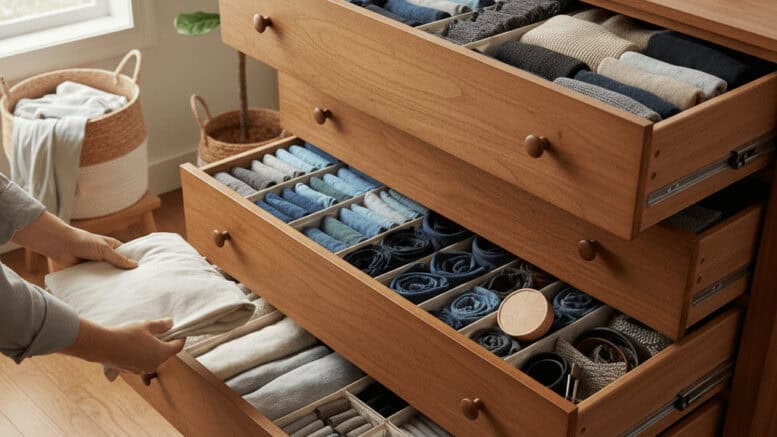
Moving clothing that sits inside dresser drawers can feel like a small task that grows into a big headache on moving day. You are trying to protect fabric, avoid extra weight that bends furniture frames, and keep outfits accessible at the new place. With a few practical habits you can reduce damage, cut surprises, and save time unpacking.
This article walks through the options and trade offs for managing clothing inside furniture drawers during a move. Expect clear steps for what to leave in place, how to secure contents, what to pack separately, and how to talk with professionals before they arrive.
Should you leave clothing in dresser drawers at all
One common question is whether to empty drawers or move them with clothes inside. There is no single right answer. The choice depends on the dresser design, the amount and type of clothing, and the route the furniture will take. Moving light folded clothing in well built dressers can save time. Heavy garments, open framed chests, and fabric that wrinkles easily usually travel better packed separately.
Benefits of leaving clothes in place include quicker packing and less folding at the destination. Risks include shifting contents that damage the interior, bottom panels that could bow under weight, and drivers who will refuse to move overly heavy or unstable pieces. Assess each case by testing how the drawers slide and how much they weigh when full.
How to secure drawers and protect clothing for transport
Before deciding to move a piece with clothing inside, make sure the contents will not shift or spill. Use these practical actions to reduce movement and protect fabric.
Securing drawers for travel
- Remove loose items that can snag or fall out when opened.
- Use stretch wrap around the whole dresser to keep drawers closed during lifting and transit. Plain plastic wrap works well and is commonly used by movers for short term hold.
- When wrap is not available, place painter tape or masking tape across drawer seams. Avoid tape that leaves residue on wood finishes.
- For extra security, slide a folded blanket or towel under each drawer face to cushion and limit movement.
Protecting fabric inside
- Place a sheet of tissue paper or thin muslin between layers of delicate garments to reduce friction and creasing.
- For suits and linen that must stay flat, consider moving those items in a garment bag or on hangers inside a wardrobe box instead of leaving them in drawers.
- Use breathable storage bags for travel if humidity could be an issue during any stopover or storage stage.
What clothing to remove before moving and what to leave
Sorting clothing into categories makes the decision easier. Think in terms of weight, fragility, and how quickly you will need the items after the move.
- Remove heavy items such as winter coats and boots. These add bulk and can stress drawer bottoms during lifting.
- Take out small valuables and sentimental items, including jewelry that may be tucked into a drawer organizer.
- Leave everyday folded t shirts or underwear in place for short moves when the dresser is sturdy and drawers close tightly.
- Move delicate fabrics separately to prevent snags and long term creases.
Packing strategies for different types of clothing
How you pack depends on the garment type. Using the right method preserves shape and saves space.
- Bulky sweaters and knitwear respond well to compression packing. Place them in vacuum sealed bags when storing long term. For moving, keep compression moderate to avoid crushing fibers.
- Trousers and shirts that wrinkle can be rolled or folded with tissue paper to reduce creasing. Rolling is space efficient for casual wear.
- Shoes should be removed from drawers and packed in their boxes or wrapped separately to avoid transferring dirt or deforming fabric.
- Use clear labeled bins for seasonal items you will not unpack immediately. This keeps them out of the way and reduces handling at the new home.
Labeling inventory and keeping track of dresser contents
When you decide to leave clothing in drawers, a clear labeling system prevents confusion later. A few small steps make unpacking faster and reduce the chance of missing items.
- Label each drawer with a brief description of contents and the room it belongs to. A separate move day note listing contents by drawer helps when items need to be found quickly.
- Take photos of full drawers before they are wrapped. Photos are useful for verifying contents if anything becomes lost or damaged.
- Keep an inventory sheet inside a folder that travels with keys and important documents. This sheet can include notes on any items removed and packed separately.
What to ask professional movers before they handle furniture
Hiring external help removes a lot of uncertainty. When speaking with a moving company ask specific questions about their policies on furniture that contains clothing. Confirm how they secure drawers and whether they accept dressers that remain partly filled. Most experienced teams will prefer light or empty drawers, and many will refuse pieces that are too heavy to move safely.
For those looking for local options in Austin contact reliable providers that are clear about these rules and offer clear pricing for services that include handling furniture with contents. If you would like an example of a local provider and an explanation of when to empty drawers check this resource on moving services in Austin Moving Services.
Tips for short distance moves and loading a truck
Short moves reduce the exposure to shifting and vibration but they still require care. Place dressers upright and secure them to the truck wall with straps to reduce tipping. Always protect finished surfaces from contact with other items using blankets or pads. When possible orient heavier items on the bottom and secure lighter boxes on top. This keeps the center of gravity low and reduces pressure on drawer bottoms.
Clothing care after arrival and storage recommendations
Once at the new location attend to clothing care within the first 24 to 48 hours. Open drawers to air out fabrics and check for any damage. Launder items that acquired dust during the move. If some clothing will go into storage follow these practices to keep garments in good condition.
- Use breathable containers for long term storage to avoid moisture build up.
- Add cedar blocks or lavender pouches to ward off pests that damage natural fibers.
- Store in a climate controlled area when possible to reduce expansion and contraction from temperature swings.
Common mistakes and how to avoid them
- Packing fragile items inside drawers without padding. Even soft clothing can be punctured by boxed items placed on top during loading.
- Underestimating the weight of full drawers. Test lift each drawer to confirm it can be carried safely. If a drawer is too heavy redistribute contents into boxes.
- Failing to label missing valuables. Small items slipped into pillows or folded corners can be overlooked when drawers are moved intact.
- Relying on inexpensive tape that leaves residue. Use proper wrapping methods or removable tape designed for furniture.
Managing clothing inside furniture drawers requires small decisions that reduce damage and make the whole move smoother. Start by evaluating each dresser for weight and structural strength. Use plastic wrap or tape to keep drawers closed and protect fabrics with thin sheets or bags when necessary. Pack heavy or delicate items separately and label everything to ease unpacking. If hiring professionals, ask about their rules for moving dressers with contents and get clear arrival instructions. With a little planning you will reduce surprises, protect garments, and arrive ready to settle in.
If you want an easy checklist for moving clothing from dressers here are key steps to follow on move day. Remove heavy objects and valuables. Photograph drawers after packing. Wrap dressers to keep drawers closed. Load dressers upright and secure them in the truck. Air out clothing within 48 hours of arrival and launder items that gathered dust or odors. Following this routine helps the move finish quickly without losing important items.
Ready to make the process simpler and safer for your clothing and furniture reach out to a local mover for a site review or a quote. Choosing a company that explains their furniture handling practices and provides clear guidance on what to leave inside will cut last minute decisions on moving day. Contact a local team, ask about their approach to dressers with clothing, and schedule the move during hours that reduce traffic and transfer time. Taking these steps protects your wardrobe and speeds unpacking so you can use your favorite outfits sooner.