
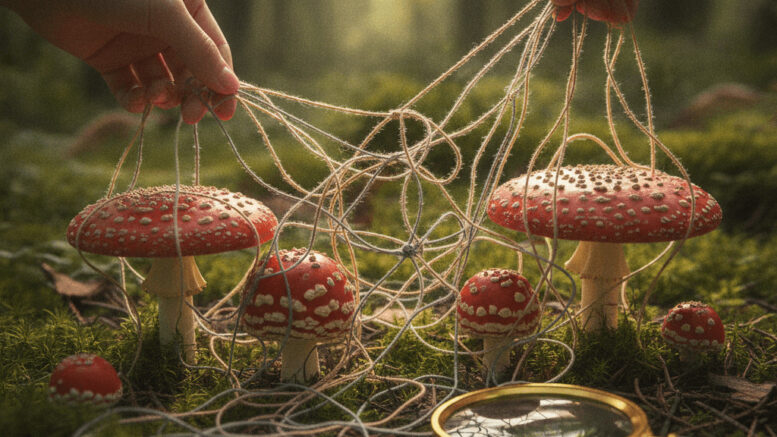
I have always been fascinated by the natural world and its many hidden wonders. My passion for health and natural supplements often leads me down intriguing paths. One such path involves the Amanita Muscaria mushroom, a botanical that has captured human attention for centuries. This mushroom, often pictured in fairy tales with its vibrant red cap and white flakes, is much more complex than its whimsical image suggests.
For a long time, there has been a lot of confusion about Amanita Muscaria. People often group it with other types of mushrooms, but it has its own unique chemistry and effects. I want to share what I have learned about this interesting fungus. My aim is to clear up some of the common misunderstandings. Understanding its true nature helps us appreciate its place in both history and modern wellness discussions.
We will look at its history, its active compounds, and how it differs from other mushrooms. We will also discuss the importance of proper preparation and responsible use. My goal is to provide a factual and balanced perspective. This will help you navigate the often-misleading information out there about Amanita Muscaria.
The Iconic Appearance and Ancient Roots of Amanita Muscaria
When you picture a mushroom, chances are you imagine the Amanita Muscaria. Its striking appearance, with a bright red or orange cap adorned with white or yellowish flakes, is truly unmistakable. I have seen many pictures of it in books and even some in nature documentaries. This distinctive look makes it easy to spot in forests across the Northern Hemisphere. It grows under various trees, especially pines and birches.
Beyond its looks, this mushroom carries a rich cultural history. Ancient cultures used Amanita Muscaria in many ceremonies and rituals. Evidence suggests its use dates back thousands of years in Siberia and parts of Scandinavia. Shamans and tribal leaders often consumed it to reach altered states of consciousness. They believed it connected them with spirits and provided guidance.
My interest in natural health includes learning about these historical uses. It is important to remember that these were highly ritualized practices. They involved specific preparations and contexts very different from casual consumption today. People often confuse Amanita Muscaria with psilocybin mushrooms, but they are chemically different. This distinction is important for understanding its effects. It also helps to prevent misidentification.
Historical Context and Traditional Use
Historical accounts show that indigenous peoples often knew how to process the mushroom. They would typically dry it or consume it after filtering through reindeer urine. This might sound strange, but it was a traditional way to reduce some of its less desirable compounds. The knowledge was passed down through generations. It was a part of their spiritual and healing practices.
We see this mushroom appearing in folklore and art worldwide. Many cultures respected it, but also handled it with care because of its powerful properties. My research shows that understanding this historical reverence is key. It helps to contextualize its role. It also shows why it holds such a special place in the story of botanicals.
Understanding the Chemistry: Ibotenic Acid and Muscimol
To truly untangle the Amanita Muscaria mushroom story, we need to talk about its chemistry. The primary active compounds in Amanita Muscaria are ibotenic acid and muscimol. These are very different from the psilocybin found in “magic mushrooms.” Ibotenic acid is a neurotoxin. It can cause feelings of nausea, muscle twitching, and confusion. This is why raw Amanita Muscaria is not generally recommended for consumption.
Muscimol, on the other hand, is the compound responsible for most of the mushroom’s sought-after effects. It acts on the GABA receptors in the brain. This can lead to feelings of relaxation, tranquility, and sometimes a dream-like state. Many people describe these effects as quite distinct from traditional psychedelics. They are often less visually intense and more focused on inner calm.
The key to understanding Amanita Muscaria lies in the conversion of ibotenic acid to muscimol. This process is called decarboxylation. It significantly changes the mushroom’s properties. Without proper decarboxylation, the side effects can be much more pronounced and unpleasant. This is a crucial step for anyone interested in exploring this mushroom responsibly.
The Importance of Decarboxylation
Decarboxylation happens when ibotenic acid is exposed to heat. Drying the mushrooms, especially at lower temperatures for a longer time, helps convert ibotenic acid into muscimol. Traditional methods often involved slow drying over fires. This allowed for this chemical transformation to take place gradually. I find this aspect of traditional knowledge truly fascinating.
Another common preparation method involves boiling the mushroom. The acidic water helps to convert the compounds. This liquid is then sometimes discarded, further reducing any remaining ibotenic acid. The goal is always to maximize muscimol and minimize ibotenic acid. This process is essential for a safer and more predictable experience. It is a fundamental part of untangling the Amanita Muscaria mushroom story.
Effects and Experiences: What to Expect
When someone consumes properly prepared Amanita Muscaria, the effects can vary. I have heard many different accounts, and they all point to a highly subjective experience. Some people report a sense of calm and well-being. They describe it as a tranquil, dream-like state. Others talk about heightened sensory perception or mild euphoria. This often depends on the dosage and the individual’s body chemistry.
I want to be clear that Amanita Muscaria is not a party drug. It does not provide the same kind of intense visuals or ego dissolution that psilocybin mushrooms might. The experience is typically more introspective and sedating. Some users find it helpful for relaxation or improving sleep quality. My personal philosophy aligns with exploring natural health solutions, so I always encourage a cautious approach.
It is also important to manage expectations. This mushroom is not a quick fix or a guaranteed path to enlightenment. It simply offers a different kind of experience. Understanding its distinct effects helps in approaching it with respect and appropriate intentions. This way, one can appreciate its unique properties without misunderstanding its nature.
Distinguishing Amanita Muscaria from Psilocybin Mushrooms
A common mistake I see is people equating Amanita Muscaria with psilocybin mushrooms. They are fundamentally different. Psilocybin mushrooms contain psilocybin and psilocin. These compounds bind to serotonin receptors in the brain. This interaction is what produces strong psychedelic effects, including vivid hallucinations and altered perceptions of reality.
Amanita Muscaria, with its muscimol, interacts with GABA receptors. This creates a more inhibitory effect on the nervous system. This means it is more likely to induce drowsiness, relaxation, or dissociative states rather than intense visual trips. Knowing this chemical difference is crucial. It helps to avoid accidental ingestion or misuse. It also helps in understanding the unique stories each mushroom tells.
Responsible Sourcing and Preparation
The responsibility of sourcing and preparing Amanita Muscaria cannot be overstated. I believe in a careful and informed approach to all natural supplements. First, identifying the mushroom correctly is absolutely vital. There are many mushroom species that look similar but can be toxic or even deadly. Never consume a mushroom you cannot confidently identify.
Once identified, proper preparation is the next critical step. As I mentioned, decarboxylation is key to converting ibotenic acid to muscimol. The most common methods involve drying and heat treatment. This reduces the undesirable effects and enhances the desired ones. Ignoring this step can lead to a very unpleasant experience. It can even be harmful.
I always suggest starting with a very low dose when trying anything new. This allows you to gauge your body’s reaction. It also helps to prevent overwhelming effects. Respecting the mushroom and its potency is paramount for a safe experience. We are dealing with powerful natural compounds, so caution is always wise.
Key Steps for Safe Preparation
Here are some steps people commonly use for preparation:
- Drying: Slice the mushrooms and dry them slowly at a low temperature, around 150-170°F (65-77°C), for several hours. This process helps convert ibotenic acid.
- Boiling: After drying, some prefer to simmer the mushrooms in water with a slightly acidic pH for 1-3 hours. This further assists in decarboxylation. Some users then consume the liquid or reduce it.
- Dosage: Start with a small amount, like 1-2 grams of dried cap material. Wait at least an hour to observe effects before considering more. Every person reacts differently.
Always do your own thorough research from reliable sources. This information is for educational purposes only. It is not medical advice. I stress this because personal safety should always be your top concern.
Modern Interest and Research into Amanita Muscaria
In recent years, I have noticed a growing interest in Amanita Muscaria within the wellness community. People are looking for natural alternatives for various personal experiences. There is a lot of talk about its potential for relaxation, sleep support, and even relief from discomfort. This modern revival is driven by a desire to explore ethnobotanicals more deeply.
However, scientific research is still quite limited. Most of the information we have comes from anecdotal reports and historical accounts. While these are valuable, I always prefer to see more robust clinical studies. The compounds in Amanita Muscaria are complex. We need more scientific understanding to fully grasp their mechanisms and long-term effects. This is a very interesting area of study. You can view details about its modern revival and storied history in Miami Living Magazine.
The mushroom’s legal status also plays a role in this renewed interest. Unlike psilocybin mushrooms, Amanita Muscaria is not federally controlled in the United States. It is legal in most places, except for a few states like Louisiana. This accessibility means more people are encountering it. It also increases the need for accurate information and responsible guidelines. My aim is always to provide that clarity.
Conclusion: Navigating the Amanita Muscaria Landscape
Untangling the Amanita Muscaria mushroom story reveals a fascinating botanical with a long and complex history. It is a mushroom distinct from its psychedelic cousins, with its own unique chemistry and effects. We have explored its iconic appearance, its traditional uses in ancient cultures, and the crucial role of ibotenic acid and muscimol in its impact. Understanding the decarboxylation process is fundamental. This conversion helps to unlock its desired properties while mitigating potential side effects. The experiences people report are often centered around relaxation and introspective states. This is a stark contrast to the more intense psychedelic journeys associated with psilocybin. My own journey into natural health has taught me the value of detailed knowledge. This is especially true when exploring powerful plants and fungi. Responsible sourcing, careful identification, and proper preparation are not just suggestions. They are essential practices for anyone considering this mushroom. As interest continues to grow in wellness circles, the need for clear and accurate information becomes even more pressing. I encourage you to approach Amanita Muscaria with respect and a commitment to learning. Always prioritize your safety. Seek out reliable resources and consider consulting experts when delving into new health avenues. By doing so, we can appreciate the natural world responsibly.